
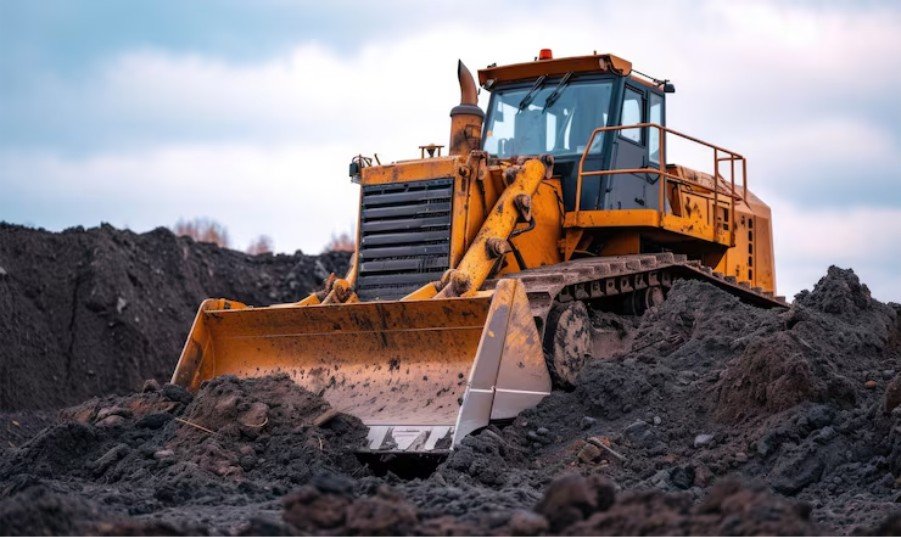
Choosing a heavy equipment supplier is an important decision for procurement teams working across construction, mining, cement, infrastructure, and other heavy industrial operations. While price, availability, and delivery are important considerations, technical product knowledge can have an equally significant role in selecting the right equipment, components, or industrial solution.
Heavy equipment operates under demanding conditions, and the wrong specification or unsuitable component can affect equipment performance, maintenance requirements, and operational continuity. This is why procurement teams need more than a supplier that can provide a product. They need a supplier that understands the application, equipment requirements, and operating environment.
For organisations looking for a heavy equipment supplier Saudi Arabia, technical expertise can make the procurement process more informed and practical. Bin Shehab Company has supported Saudi Arabia’s industrial sectors since 1975, combining local market knowledge, technical expertise, equipment solutions, spare parts, and support services.
Why Technical Knowledge Matters in Heavy Equipment Procurement
Moving Beyond Price-Based Supplier Selection
Price is naturally an important factor in procurement. However, selecting heavy equipment or replacement components based only on the lowest initial price may not provide the complete picture.
Procurement teams need to consider whether the selected product is appropriate for the equipment, application, and operating conditions. Technical product knowledge allows a supplier to explain specifications and compatibility instead of simply presenting a catalogue or quotation.
For example, Bin Shehab’s ATS Division supports multi-brand heavy equipment fleets with aftermarket parts and components, including solutions for internal parts, undercarriage, ground engaging tools (GET), powertrain, hydraulics, cooling and filtration, and electrical systems. The division also provides technical cross-referencing to help match OEM part numbers accurately.
This type of knowledge gives procurement teams a stronger basis for comparing available options.
Understanding Equipment Specifications and Applications
Heavy equipment can have different configurations and requirements depending on the application. A procurement team may therefore need to evaluate more than a product name or general specification.
An experienced equipment specialist can help teams understand relevant technical details and consider how a product fits the intended application. Factors such as equipment type, component requirements, operating conditions, and expected workload can influence the suitability of a solution.
The objective is not simply to purchase equipment or parts, but to select products that correspond with the operational requirement.
How an Equipment Specialist Supports Better Procurement Decisions
Matching Machinery to Operational Requirements
Construction, mining, cement, and infrastructure projects can involve demanding operating environments. Equipment used for drilling, demolition, excavation, road rehabilitation, or other applications may require specialised solutions.
This is where technical expertise becomes particularly useful. Instead of treating every requirement as a standard purchase, an equipment specialist can assess the application and help identify relevant equipment or components.
Bin Shehab’s portfolio reflects this application-focused approach. Its MAS Division provides drilling, mining, infrastructure, and demolition solutions, including Epiroc drilling and mining equipment, Brokk demolition robots, and Terraroc drilling tools.
For procurement teams, this means technical discussions can be connected to the actual requirements of the project rather than focusing exclusively on product availability.
Evaluating Technical Specifications and Equipment Capabilities
Technical specifications provide the information needed to determine whether a product is suitable for a particular requirement. However, procurement teams may not always have the time or specialist knowledge to evaluate every technical detail independently.
A knowledgeable machinery supplier can help explain the differences between available solutions and identify specifications that matter for the intended application.
This can be particularly valuable when sourcing components for multi-brand fleets. Bin Shehab’s ATS Division supports equipment fleets including Caterpillar, Komatsu, Volvo, Cummins, and Perkins with compatible aftermarket spare parts and tools. Its technical cross-referencing capability helps connect equipment requirements with appropriate part references.
Technical Product Knowledge and Total Equipment Value
Looking Beyond the Initial Purchase Price
The value of heavy equipment or industrial components should not be assessed solely by the initial purchase price. Procurement teams also need to consider suitability, availability, maintenance requirements, equipment life, and operational needs.
For example, the right wear-resistant steel solution may be relevant where equipment or fabricated components are exposed to demanding wear conditions. Bin Shehab’s SWS Division supplies SSAB steels in Saudi Arabia, including Hardox® wear plate, Strenx® structural steel, and Armox® protection steel. The company also provides fabrication and engineered wear-part solutions through Ultametallic.
Technical understanding helps procurement teams consider these factors as part of a broader purchasing decision.
Reducing the Risk of Equipment Mismatch
Equipment mismatch can create unnecessary complications. A component may need to meet particular equipment specifications, while an attachment or specialised machine may need to suit the application in which it will be used.
Technical supplier expertise can help identify these considerations before an order is finalised. This is especially relevant for organisations managing multiple equipment types or demanding industrial operations.
Bin Shehab supports multi-brand fleets through its aftermarket solutions and provides technical cross-referencing for parts identification. This focus can help procurement teams approach component sourcing with greater technical clarity.
Why Supplier Expertise Matters Across Saudi Arabia and the GCC
Considering Regional Operating Conditions
Although Saudi Arabia is Bin Shehab’s primary market, industrial businesses across the wider GCC can have similar requirements for reliable equipment, spare parts, technical products, and industrial solutions.
Procurement decisions should therefore consider the actual environment in which equipment will operate. The application, equipment configuration, maintenance requirements, and availability of relevant components can all influence supplier selection.
The key is to select solutions based on technical and operational requirements rather than assuming that the same product will be appropriate for every application.
Supporting Consistent Procurement Standards
For organisations managing multiple projects, locations, or equipment fleets, consistency can be an important procurement consideration. Working with a technically knowledgeable supplier can help teams use accurate product information and establish a clearer approach to equipment and component sourcing.
Bin Shehab combines equipment, spare parts, steel solutions, rental equipment, maintenance, and technical support within its portfolio. This allows customers to address different industrial requirements through specialised divisions while maintaining a relationship with an established Saudi supplier.
Choosing Bin Shehab Company as a Heavy Equipment Supplier
Combining Product Knowledge With Procurement Needs
Bin Shehab Company has been serving Saudi Arabia’s industrial sectors since 1975. Its portfolio includes specialised equipment and machinery, OEM and aftermarket spare parts, drilling equipment, demolition technologies, wear-resistant steel, rental solutions, maintenance, after-sales support, and engineered wear-part solutions.
The company’s specialised divisions allow it to address different requirements across mining, construction, cement, infrastructure, and steel-related applications.
For procurement teams, this technical breadth is relevant when the purchasing decision involves more than simply finding an available product. Understanding how equipment, components, tools, and supporting services relate to an operational requirement can help create a more informed procurement process.
Making Informed Equipment Decisions
Selecting the right supplier begins with understanding what the project actually requires. Procurement teams should evaluate technical expertise alongside product range, availability, support capabilities, industry experience, and local presence.
Bin Shehab combines more than five decades of experience in Saudi Arabia with specialised industrial solutions and technical support. Its focus on equipment, spare parts, wear solutions, drilling, demolition, and related services makes technical knowledge an important part of its approach to serving industrial customers.
Conclusion
Heavy equipment procurement is not simply a matter of comparing prices and choosing an available product. Equipment specifications, application requirements, compatibility, operating conditions, parts availability, and technical support can all influence the suitability of a purchasing decision.
For procurement teams, working with a knowledgeable heavy equipment supplier Saudi Arabia can provide a more informed approach to equipment and component selection. A supplier that understands both the products and the industries they serve can help customers evaluate technical requirements with greater clarity.
With more than 50 years of experience, specialised divisions, equipment and spare parts solutions, and technical support across Saudi Arabia, Bin Shehab Company provides industrial customers with a combination of local expertise and global partnerships. For organisations sourcing equipment and related industrial solutions, technical product knowledge should remain an important part of supplier evaluation.
Looking for the right equipment or industrial solution for your project? Contact today to discuss your requirements and explore the available solutions for your business.
FAQ
1. Why is technical knowledge important when choosing a heavy equipment supplier?
Technical knowledge helps procurement teams evaluate equipment specifications, compatibility, applications, and operating requirements.
2. How can an equipment specialist support procurement teams?
An equipment specialist can help teams understand technical requirements and select equipment or components suited to their intended application.
3. Why should procurement teams look beyond equipment price?
Procurement teams should also consider suitability, specifications, compatibility, maintenance requirements, parts availability, and technical support.
4. What should procurement teams look for in a machinery supplier?
They should consider product expertise, industry knowledge, clear technical communication, support capabilities, and knowledge of the Saudi Arabian market.
5. Why is local supplier expertise valuable in Saudi Arabia?
Local expertise can help procurement teams make decisions based on Saudi Arabia’s industrial requirements, operating conditions, and equipment needs.


