For EPC contractors, choosing the right steel supplier is an important part of keeping industrial projects on schedule, within specification, and operationally reliable. Structural steel can play a critical role in load-bearing applications, equipment structures, fabrication, and other demanding industrial environments. The supplier selected must therefore provide more than competitive pricing. Product quality, technical capability, material traceability, availability, delivery performance, and local support all need to be considered.
When evaluating structural steel suppliers in Saudi Arabia, EPC contractors should also consider whether the supplier understands the requirements of the Saudi industrial market and can provide dependable support throughout procurement and delivery. Bin Shehab Company has supported Saudi Arabia’s construction, mining, cement, infrastructure, and heavy industrial sectors since 1975, combining local expertise with international manufacturing partnerships.
Why Supplier Evaluation Matters for Industrial Projects
Industrial projects involve strict technical requirements and complex procurement schedules. A delay in receiving the required steel can affect fabrication, installation, commissioning, and subsequent project activities. At the same time, materials that do not meet the required specifications can create additional inspection, replacement, and engineering challenges.
For this reason, EPC contractors should evaluate structural steel suppliers based on their overall ability to support the project rather than comparing quotations on price alone.
A suitable supplier should be able to demonstrate:
- Appropriate product and material knowledge
- Consistent quality and traceability
- Reliable product availability
- Technical support for material selection and applications
- Clear documentation
- Practical delivery capabilities
- Experience serving demanding industrial applications
These factors become particularly important when projects involve heavy equipment, mining, construction, cement, infrastructure, or other applications where steel may be exposed to significant loads or harsh operating conditions.
Evaluate the Supplier’s Structural Steel Product Range
The first step is to determine whether the supplier’s steel portfolio matches the technical requirements of the project. EPC procurement teams should provide the supplier with the required grades, dimensions, thicknesses, quantities, application details, and delivery requirements.
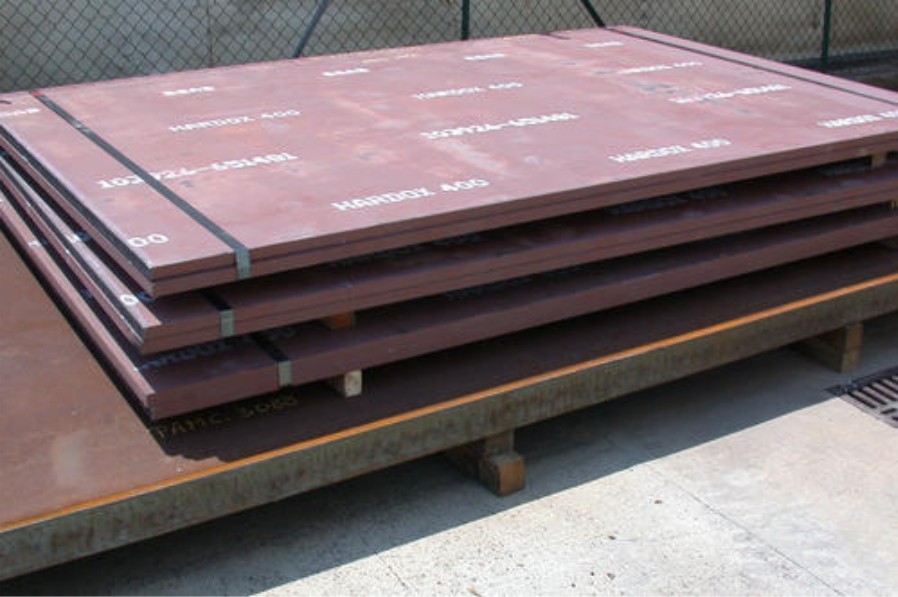
Bin Shehab’s Steel & Wear Solutions division supplies SSAB steels in Saudi Arabia, including Hardox® wear plate, Strenx® structural steel, and Armox® protection steel. The company describes Strenx® as a high-strength structural steel designed for demanding load-bearing applications, with multiple thickness options and a focus on strength-to-weight performance.
This type of product knowledge can help EPC contractors assess whether a supplier has the appropriate technical portfolio for a particular application.
Match Steel Selection to the Application
Structural steel should not be selected simply because it is available. The material needs to match the intended application and engineering requirements.
For example, high-strength structural steel may be considered where engineers need strong, lightweight structures for heavy equipment, transportation, or industrial applications. The appropriate selection should always be based on the project’s approved engineering specifications and application requirements.
Contractors should therefore ask suppliers for detailed product information before finalising procurement.
Check Material Quality and Traceability
Quality assurance is another important consideration when comparing structural steel suppliers in Saudi Arabia. EPC contractors should establish how the supplier controls material quality and what documentation accompanies the products.
Important areas to review include:
- Material identification
- Product specifications
- Applicable certificates
- Traceability
- Inspection documentation
- Grade and thickness verification
- Quality-control procedures
Bin Shehab’s SWS division states that it provides certified materials with traceability and quality assurance. Its steel portfolio includes multiple grades and thicknesses, with cut-to-size options available for project requirements.
For EPC procurement teams, traceability can be particularly valuable because it supports material verification during procurement, fabrication, inspection, and project documentation processes.
Assess Experience in Saudi Arabia’s Industrial Market
A supplier’s knowledge of the local market can make procurement more efficient. Saudi Arabia has major activities across construction, mining, cement, infrastructure, and heavy industry, and suppliers serving these sectors need to understand the practical requirements of industrial customers.
Bin Shehab was established in 1975 and has built its business around industrial products, equipment, spare parts, steel solutions, and technical support. The company has a nationwide presence in Saudi Arabia and states that it works with international manufacturers while providing local expertise and support.
For EPC contractors, local market experience can help simplify communication, quotation requests, technical discussions, and delivery coordination.
Consider Saudi and GCC Project Requirements
Although Saudi Arabia may be the primary procurement market, many EPC contractors work across the wider GCC. Supplier evaluation should therefore consider whether a company understands the regional nature of industrial procurement.
However, contractors should distinguish between a supplier’s established capabilities in Saudi Arabia and any specific GCC delivery or project capability. These should be confirmed with the supplier according to the individual project requirements rather than assumed.
Evaluate Supply Availability and Delivery Reliability
Even technically suitable steel may not be useful if it cannot reach the project when required. EPC contractors should evaluate stock availability, expected lead times, order quantities, cutting requirements, and delivery arrangements before placing an order.
Bin Shehab highlights stock availability and nationwide delivery across Saudi Arabia as part of its service offering. Its SWS division also states that it provides fast delivery and cut-to-size options for project requirements.
When evaluating suppliers, procurement teams should ask:
- Is the required grade currently available?
- What quantities are available?
- What is the expected lead time?
- Can the material be supplied in the required dimensions?
- Can delivery be coordinated with the project’s schedule?
- What happens if project quantities or delivery dates change?
A clear understanding of these points can reduce avoidable procurement delays.
Look for Technical Support, Not Just Product Supply
For industrial projects, technical support can be as important as product availability. EPC contractors may need assistance when comparing material options, reviewing applications, or determining whether a particular steel solution is appropriate for a demanding environment.
Bin Shehab states that its SWS division provides technical guidance on steel selection and applications. Its wider business also includes application engineering and technical consulting across its industrial solutions.
A supplier evaluation should therefore consider the quality of technical communication as well as the product quotation.
Review Documentation Before Purchase
Ask the supplier what technical and quality documentation will be provided with the order. This may include product information, material certificates, traceability documentation, and inspection-related records, depending on the project specification.
The exact documentation requirements should come from the EPC project’s approved specifications and procurement procedures.
Evaluate Bearing Plate and Bushing Plate Supply Requirements
Some industrial procurement packages may include components described by terms such as bearing plates or bushing plates, depending on the equipment, structural design, or application. When searching for bearing plate suppliers or bushing plate suppliers, EPC contractors should apply the same evaluation principles used for structural steel procurement.
The supplier should be able to confirm the exact material, dimensions, tolerances, quantity, application, and documentation required for the component.
It is important not to select a supplier based only on a generic product description. Engineering and procurement teams should provide the relevant drawings or specifications and confirm that the proposed material or component meets the project’s requirements.
For Bin Shehab, the website’s published steel portfolio focuses on SSAB Hardox®, Strenx®, and Armox® steel solutions, as well as fabrication services through Ultametallic. Specific bearing or bushing plate requirements should therefore be confirmed directly with the company rather than assumed from the general steel portfolio.
Why Bin Shehab Can Be Considered for Industrial Steel Requirements
Bin Shehab Company combines more than 50 years of experience in Saudi Arabia with international industrial partnerships. Its SWS Division supplies SSAB steels in Saudi Arabia, including Hardox®, Strenx®, and Armox®, while Ultametallic provides fabrication and services for customised wear-part requirements.
The company also highlights nationwide delivery, technical expertise, product availability, and support for customers across Saudi Arabia. Its broader portfolio covers industrial equipment, spare parts, mining and infrastructure solutions, steel products, and technical services.
For EPC contractors, this combination of local market knowledge, steel solutions, technical support, and established industrial experience can make Bin Shehab a supplier worth evaluating for suitable project requirements.
Conclusion
Choosing the right structural steel suppliers in Saudi Arabia requires more than comparing prices. EPC contractors should consider product quality, availability, technical support, documentation, delivery, and industry experience.
Bin Shehab Company provides steel and industrial solutions backed by extensive experience in the Saudi market. Need reliable steel solutions for your project? Contact today to discus your requirements.
FAQ
1. What should EPC contractors look for in structural steel suppliers in Saudi Arabia?
They should consider product quality, technical specifications, availability, delivery reliability, documentation, and industry experience.
2. Why is material traceability important for structural steel?
Material traceability helps verify the steel’s specifications and supports quality control and project documentation.
3. What is structural steel used for in industrial projects?
Structural steel is commonly used for load-bearing structures, equipment supports, platforms, frames, and other industrial applications.
4. What are bearing plates and bushing plates used for?
They are components used in specific structural or mechanical applications to support loads, reduce wear, or facilitate movement between components.
5. How can EPC contractors compare structural steel suppliers?
They can compare suppliers based on quality, product range, technical support, availability, delivery capabilities, documentation, and overall project value.